Cybersecurity for Inherently Insecure Serial Protocols
Outdated protocols aren’t obsolete - just unprotected. External security layers wrap legacy communications with encryption, authentication, and integrity verification.

That dial-up modem or VPN connection you provide for vendor support isn't just maintenance access—it's the primary attack vector responsible for 70% of operational technology breaches targeting legacy serial systems.

Standard VPNs and dial-up modems grant broad network access where only specific serial port connectivity is required, creating massive attack surfaces.
For decades, industrial organizations have relied on simplistic remote access methods that prioritize convenience over security. Traditional VPN connections provide vendors with full network access to perform maintenance on a single device, while dial-up modems create unmonitored backdoors that bypass all network security controls. These approaches create the perfect conditions for attackers, who systematically scan for these vulnerable entry points knowing they provide direct pathways to critical control systems. The statistics are alarming - nearly three-quarters of successful OT breaches begin through these remote access channels, yet most organizations continue to accept this risk as the cost of doing business with global equipment suppliers and maintenance providers.
Modern zero-trust solutions from suppliers like Secomea establish outbound-only connections that eliminate the need for dangerous inbound firewall exceptions.
Traditional remote access requires opening inbound firewall ports that remain visible and accessible to attackers scanning the internet. Zero-trust platforms from manufacturers like Secomea reverse this model by establishing persistent outbound connections from on-premise gateways to secure cloud brokers. When remote users need access, they authenticate through the cloud platform, which then brokers a connection through the existing outbound tunnel. This approach completely eliminates inbound firewall rules, making your industrial network invisible to external scanning and attack. The Secomea GateManager platform provides this cloud brokerage capability while maintaining the performance and reliability required for industrial serial communications, ensuring that security enhancements don't compromise operational needs.
Zero-trust access verifies user identity and device health before granting any access, regardless of network location.
Conventional remote access typically trusts any connection from approved IP addresses, creating significant risk when credentials are compromised or devices are lost. Zero-trust solutions implement multi-factor authentication that verifies user identity through multiple independent factors before granting access. Platforms like Secomea's SiteManager integrate with enterprise identity providers to ensure consistent authentication policies across both IT and OT environments. Additionally, these systems can validate device health—checking for updated antivirus, proper security configurations, and approved software—before permitting connections to industrial assets. This identity-centric approach ensures that access decisions are based on who you are and what you're using, not just where you're connecting from.
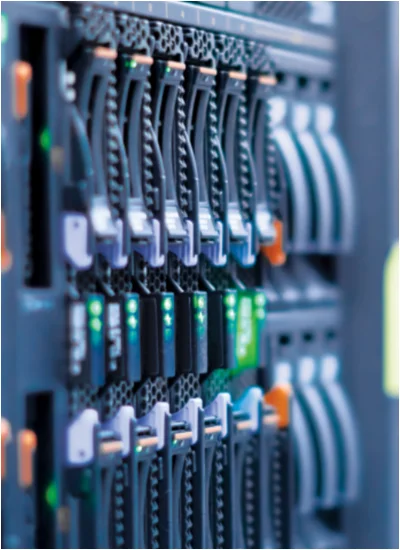
Modern remote access solutions provide surgical precision, granting vendors access only to the specific serial devices they need to service.
Traditional VPN access grants broad network privileges that far exceed what's necessary for most maintenance tasks. A vendor supporting a single serial device typically receives access to the entire control network, creating unnecessary risk. Zero-trust platforms enable granular access control that can restrict remote users to individual serial ports, specific protocols, or even particular commands. A pump manufacturer's technician can be granted access only to the specific controller managing their equipment, while a valve supplier's engineer might access only the HMI controlling their components. This least-privilege approach dramatically reduces the attack surface by ensuring that compromised credentials or malicious insiders can only reach the assets explicitly authorized for their specific role and task.
Full session capture provides undeniable evidence of all remote activities, enabling effective oversight and forensic investigation.
One of the most significant limitations of traditional remote access methods is the lack of visibility into what remote users actually do during maintenance sessions. Zero-trust solutions address this gap through comprehensive session recording that captures every keystroke, command, and file transfer. Platforms like those from Secomea provide encrypted recording of entire remote sessions, creating immutable audit trails that cannot be altered or deleted. These recordings serve multiple purposes: they enable real-time monitoring of vendor activities, provide training material for internal staff, and supply crucial evidence during incident investigations. The knowledge that all activities are being recorded also serves as a powerful deterrent against unauthorized or malicious actions by remote users.
Automated expiration ensures that temporary access doesn't become permanent vulnerability.
A common failure in traditional remote access management is the persistence of access privileges long after they're needed. Vendors often retain VPN credentials or modem numbers indefinitely, creating standing access that can be exploited long after maintenance is complete. Zero-trust solutions enforce time-bound access that automatically revokes privileges after a predetermined period. A vendor can be granted access for a specific four-hour maintenance window, after which their credentials become invalid until explicitly reauthorized. This automated expiration eliminates the risk of forgotten access rights and ensures that remote connectivity is available only when actively needed for authorized maintenance activities. The system can also support break-glass procedures for emergency access while maintaining appropriate oversight and logging.

For organizations requiring on-premise solutions, modern industrial VPN routers from Westermo provide zero-trust capabilities without cloud dependency.
While cloud-brokered solutions offer significant advantages, some organizations require fully on-premise remote access for regulatory, compliance, or connectivity reasons. For these scenarios, industrial VPN routers from manufacturers like Westermo provide robust zero-trust capabilities without cloud dependency. The Westermo MRD series supports advanced VPN protocols including IPsec and OpenVPN, with integrated firewall capabilities that enforce strict access policies. These devices can authenticate users against existing directory services while providing the environmental hardening and reliability needed for industrial deployment. The combination of strong authentication, encrypted tunnels, and industrial durability makes these solutions suitable for the most demanding operational environments where cloud connectivity may be unreliable or prohibited.
Modern zero-trust platforms integrate seamlessly with existing security tools and workflows.
Successful security implementations must work within existing operational processes rather than requiring complete overhaul. Zero-trust remote access solutions from leading manufacturers integrate with common security infrastructure including Security Information and Event Management (SIEM) systems, network monitoring platforms, and identity providers. This integration enables centralized monitoring and correlation of remote access events with other security data, providing comprehensive visibility across both IT and OT environments. The platforms typically support standard protocols like Syslog for log export, SNMP for monitoring, and REST APIs for automation, ensuring they can fit seamlessly into established security operations without creating additional management overhead or requiring specialized skills.
Centralized portals simplify the process of managing multiple vendor relationships while maintaining security consistency.
Industrial organizations typically work with dozens of equipment suppliers and service providers, each requiring different levels of access to various systems. Managing these relationships through individual VPN accounts or modem connections becomes increasingly complex as the number of vendors grows. Zero-trust platforms provide centralized vendor management portals that allow internal staff to approve, modify, and revoke vendor access through a single interface. These portals can enforce consistent security policies across all vendor relationships while providing visibility into which vendors have access to which systems. The automation of access request and approval workflows reduces administrative overhead while ensuring that security policies are consistently applied regardless of which vendor requires access.
Industrial-focused solutions maintain the performance characteristics required for reliable serial communications.
Generic remote access solutions optimized for office environments often struggle with the unique requirements of industrial serial communications. Solutions from industrial specialists like Secomea and Westermo are specifically engineered to maintain the performance and reliability needed for serial device management. These systems optimize data transmission for serial protocols, maintain connection stability over potentially unreliable networks, and provide the low latency required for responsive device management. This industrial focus ensures that security enhancements don't compromise the usability or reliability of remote maintenance activities, maintaining productivity while significantly improving security posture.
Zero-trust solutions connect to legacy serial devices through secure serial-to-Ethernet gateways that provide the network connectivity while maintaining security. Platforms like Secomea's SiteManager can connect directly to these gateways, providing remote access to the serial ports without requiring changes to the legacy devices themselves. The gateway handles the protocol conversion while the zero-trust platform manages secure access, creating a complete solution that brings modern security to legacy assets without modification.
Industrial zero-trust platforms are designed with redundancy and reliability in mind. Cloud brokers typically operate across multiple geographically distributed data centers to ensure high availability. For internet connectivity failures, most platforms support automatic reconnection when service is restored, with session persistence where appropriate. For critical applications where internet reliability is a concern, Westermo's on-premise VPN solutions provide an alternative that doesn't depend on cloud services while still implementing zero-trust principles through strong authentication and access controls.
Successful transitions typically involve clear communication about security benefits, simplified user experiences, and phased implementation. Most vendors actually prefer modern zero-trust solutions once they experience the faster connection times and more reliable performance. Providing training materials and conducting pilot programs with cooperative vendors helps build positive momentum. Many organizations find that implementing the new system in parallel with existing methods during a transition period helps vendors adapt gradually while maintaining operational continuity.
Modern zero-trust solutions typically provide equivalent or superior functionality compared to direct serial connections. Features like session recording, collaborative troubleshooting, and automated scripting often make remote sessions more effective than physical access. The serial protocol translation maintains full functionality for configuration, programming, and monitoring activities. For the rare cases where physical presence is absolutely necessary, zero-trust systems can still streamline the process by providing remote oversight and documentation of on-site activities.
Zero-trust platforms include comprehensive emergency access procedures that maintain security while enabling rapid response. Break-glass accounts with enhanced monitoring can be provisioned for emergency use, with automated notification to security personnel when activated. Alternatively, on-call staff can be granted temporary elevated privileges through mobile applications or other out-of-band authentication methods. These emergency procedures ensure that security isn't compromised during critical situations while providing the access needed to resolve urgent operational issues.
Most organizations can implement basic zero-trust remote access within 4-8 weeks, with full deployment across all vendors and systems typically completed within 3-6 months. The process usually begins with a pilot program targeting high-risk or cooperative vendors, followed by phased rollout to additional groups. The implementation includes configuration of authentication systems, deployment of on-premise gateways, vendor onboarding, and policy development. This phased approach minimizes disruption while delivering security benefits quickly to the highest-risk areas.
Zero-trust solutions are designed to complement existing network security infrastructure rather than replace it. They integrate with firewalls through standard network protocols, work with existing identity and access management systems, and export logs to SIEM platforms for centralized monitoring. The outbound-only connection model actually simplifies firewall configurations by eliminating the need for inbound rules. This integration approach ensures that zero-trust remote access becomes part of a layered defense strategy rather than creating additional complexity or management overhead.
The evolution from traditional remote access to zero-trust principles represents a fundamental shift in how organizations manage external access to critical industrial assets. Rather than accepting the security risks of vendor maintenance as unavoidable, zero-trust solutions transform remote access from a necessary vulnerability into a strategically managed control point. This approach recognizes that modern industrial operations require collaboration with global experts while maintaining uncompromising security standards.
When properly implemented, zero-trust remote access provides the best of both worlds: the operational benefits of expert remote support combined with enterprise-grade security controls. The result is reduced risk, improved visibility, and maintained productivity—transforming what was once the weakest link in industrial cybersecurity into a demonstrated strength that supports rather than threatens operational excellence.
Contact a Throughput security specialist for a remote access assessment and receive our Zero-Trust Implementation Framework.
Subscribe to the Link & Layer | Smart Learning Hub for immediate access to our "Zero-Trust Remote Access Guide" with vendor onboarding templates and policy examples.
Don't let convenience compromise your security. Implement remote access that protects your assets while enabling essential maintenance.

Outdated protocols aren’t obsolete - just unprotected. External security layers wrap legacy communications with encryption, authentication, and integrity verification.
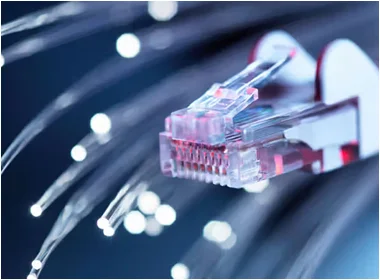
No data is safe if the signal isn’t. Fibre media and isolated hardware eliminate EMI, ensuring commands arrive pure and uncorrupted.

AI sees what alarms can’t. By learning normal behavior, it detects subtle deviations early - turning reactive maintenance into predictive control.